

What Can I Do About Brown Spots on My Face?
LASER + ENERGY
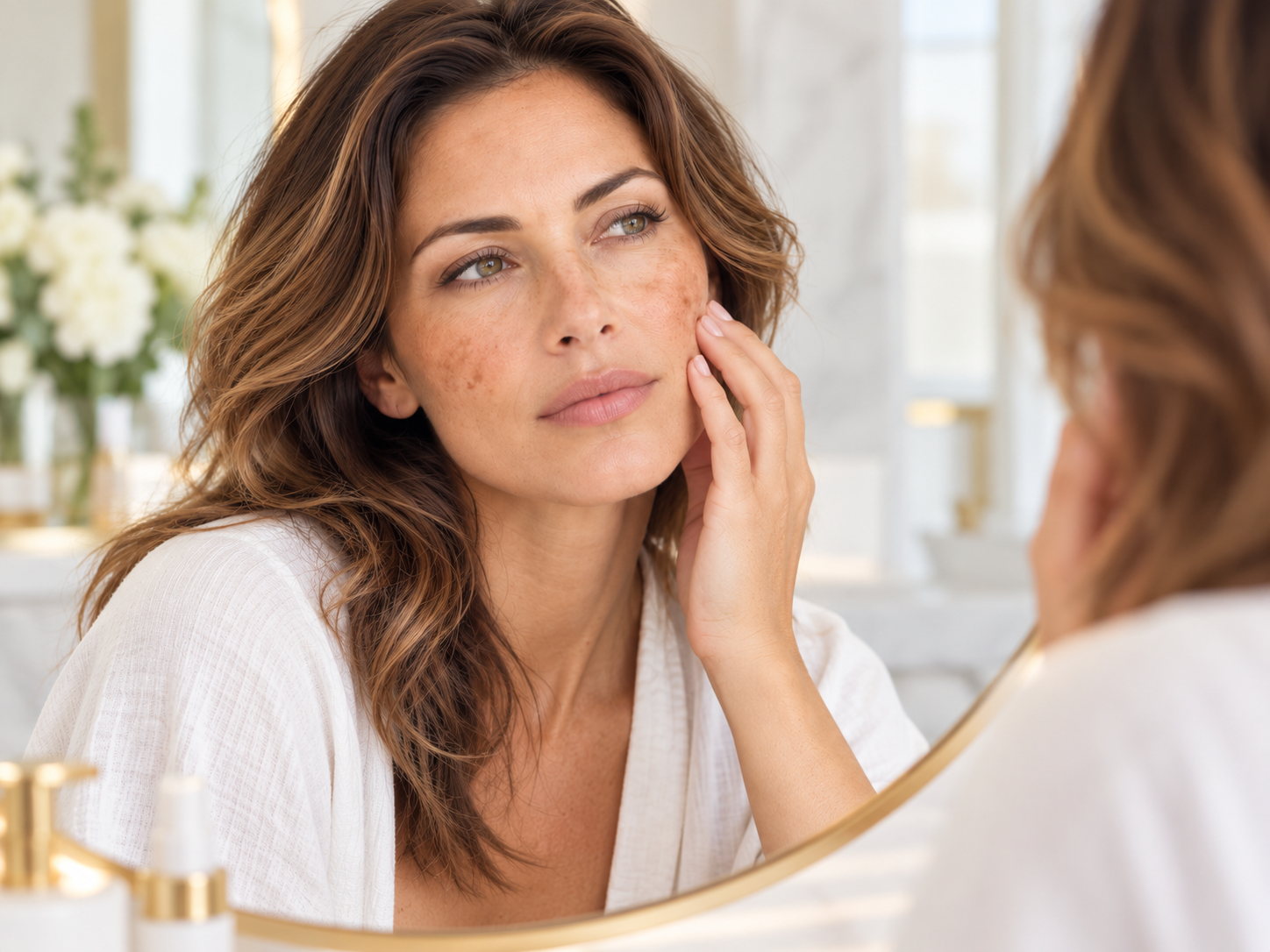
Not every brown spot is the same
Brown marks can come from sun exposure, old acne, irritation, melasma or other pigment patterns. They may look similar at first glance, but they do not always respond to the same treatment.
Sun spots may respond to targeted treatment
Discrete sun spots and freckles can sometimes respond well to selected laser treatments designed to target pigment. The device and settings should be chosen with skin tone, pigment depth and treatment history in mind.
Post-inflammatory marks need a gentler strategy
Brown marks left after acne, irritation or a procedure are often post-inflammatory hyperpigmentation. Because inflammation can worsen pigment, the treatment plan may rely more on barrier support, careful exfoliation or selected peels before moving to stronger energy-based treatment.
Melasma behaves differently
Melasma is more complex and can be triggered by heat, hormones and sun exposure. It often requires a longer-term management strategy rather than a one-time spot treatment.
MajorGlow starts with the pigment pattern
Before recommending laser, peel or skin treatment, we look at what kind of pigment is actually present. That helps avoid over-treating the skin and allows the plan to focus on the option most likely to fit your specific pattern.
Why skin history matters
Before treating facial brown spots, it is important to distinguish sun-related lentigines, melasma, PIH, and lesions that need medical evaluation. Skin tone, tanning, and prior pigment reactions influence the safest approach.
Expect a plan, not a one-spot promise
The plan should match the type of discoloration rather than promise that every brown spot will clear on the same schedule. Some concerns need maintenance even after visible improvement.
Some brown spots need diagnosis before treatment
A cosmetic treatment should not be the first step for every new or changing brown lesion. Spots that are asymmetric, changing in color or shape, bleeding, crusting, or otherwise unusual should be evaluated medically before laser or peel treatment is considered. Once a benign pigment pattern is identified, treatment can be selected around depth, trigger, skin tone, and the risk of post-inflammatory discoloration.


