

How Laser Skin Rejuvenation Works: Light, Heat, and Collagen Remodeling
Updated: Sep 30
LASER + ENERGY
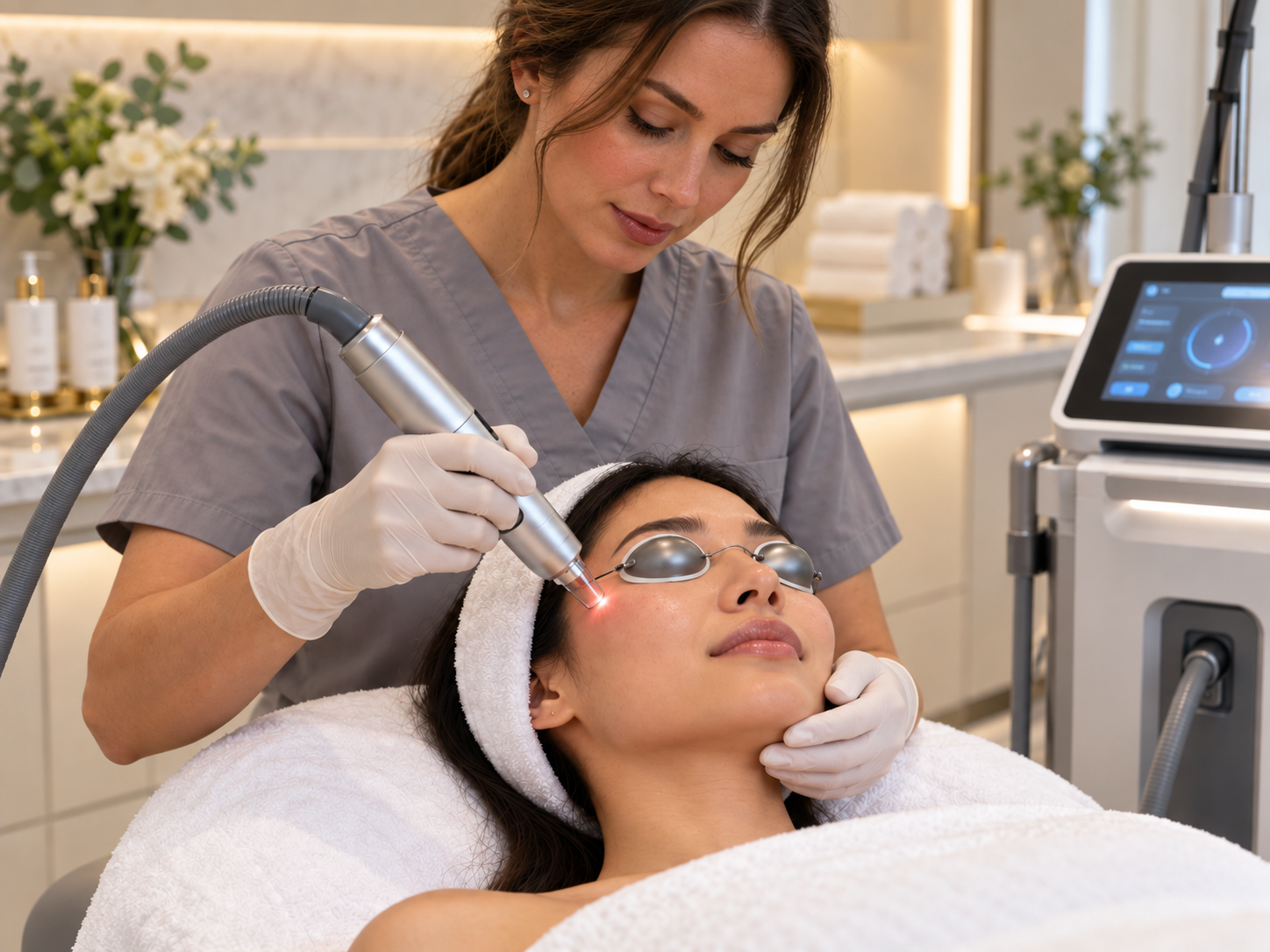
Laser skin rejuvenation uses controlled light energy to create a targeted response in the skin. The goal is not simply to heat tissue. It is to deliver energy at a depth and intensity appropriate for the concern while allowing the skin to repair and remodel over time.
Laser Is a Category, Not One Treatment
Different lasers use different wavelengths, pulse durations, and energy settings. Those differences determine which structures absorb the energy and how deeply the treatment reaches. A device designed for pigment behaves differently from one used primarily for collagen remodeling or vascular concerns.
How Non-Ablative Rejuvenation Works
Non-ablative laser treatments generally preserve the surface of the skin while creating controlled thermal effects below it. The resulting repair response can support collagen remodeling and gradual improvement in texture and firmness.
Because remodeling is biological, changes develop over weeks to months rather than appearing fully formed at the end of the appointment.
What Laser Rejuvenation May Improve
Uneven skin texture
Fine lines
Selected pigment irregularities
Mild signs of photoaging
Overall skin quality
The exact concerns that can be treated depend on the device and wavelength being used. No single laser is ideal for every skin concern.
Why Skin Type Changes the Plan
Melanin also absorbs light energy. In darker skin types or recently tanned skin, certain wavelengths and aggressive settings can increase the risk of burns, prolonged inflammation, or post-inflammatory hyperpigmentation. Device selection and conservative parameters are therefore important.
Treatment Intensity Affects Downtime
A gentler non-ablative session may produce temporary redness or warmth with limited downtime. More aggressive resurfacing can involve more visible peeling, swelling, and recovery. The appropriate intensity depends on the treatment goal and the amount of downtime a patient can safely accept.
Results Depend on a Series and Maintenance
Some concerns improve after one treatment, but many laser rejuvenation plans use a series because collagen remodeling and pigment correction are gradual processes. Sun exposure, aging, skincare, and the original condition can also influence how long results are maintained.
Precision Matters More Than Maximum Energy
Good laser treatment is not about using the strongest possible setting. It is about matching the wavelength, depth, pulse characteristics, and energy to the skin, the target, and the desired recovery. Careful treatment planning helps improve results while reducing unnecessary risk.
Why laser settings have to match the target
Laser and light-based devices are not interchangeable. Wavelength, pulse duration, energy, treatment depth, and cooling all influence which structures absorb energy and how surrounding tissue responds. The safest approach is to match the device and settings to the concern, skin type, and treatment area.
That is especially important when pigment is part of the treatment goal. Melanin can absorb light energy, so skin tone, recent sun exposure, and a history of post-inflammatory hyperpigmentation may affect treatment selection and preparation.
Why results develop gradually
Some changes, such as temporary brightness or swelling, may be noticeable soon after treatment, but collagen remodeling is slower. The skin's repair response evolves over weeks and months, which is why early appearance should not be treated as the final result.
A series may be considered when the goal involves broader texture or tone improvement. The number and spacing of sessions depend on the technology, treatment intensity, recovery tolerance, and the condition being addressed rather than a universal schedule.

